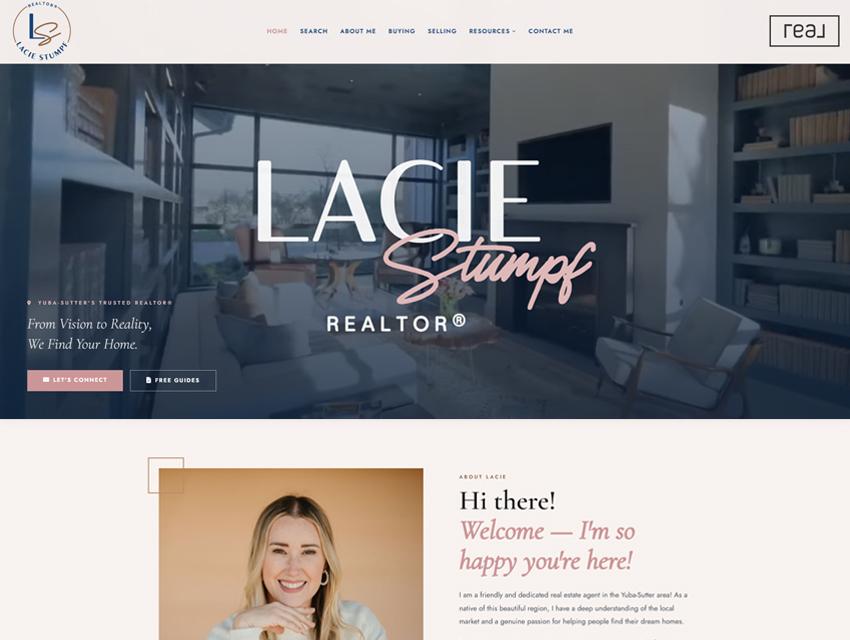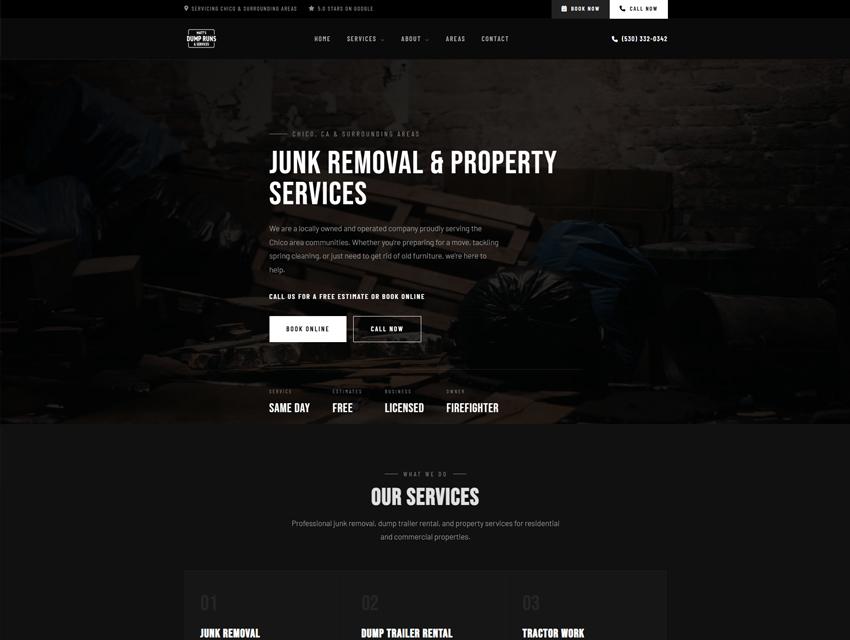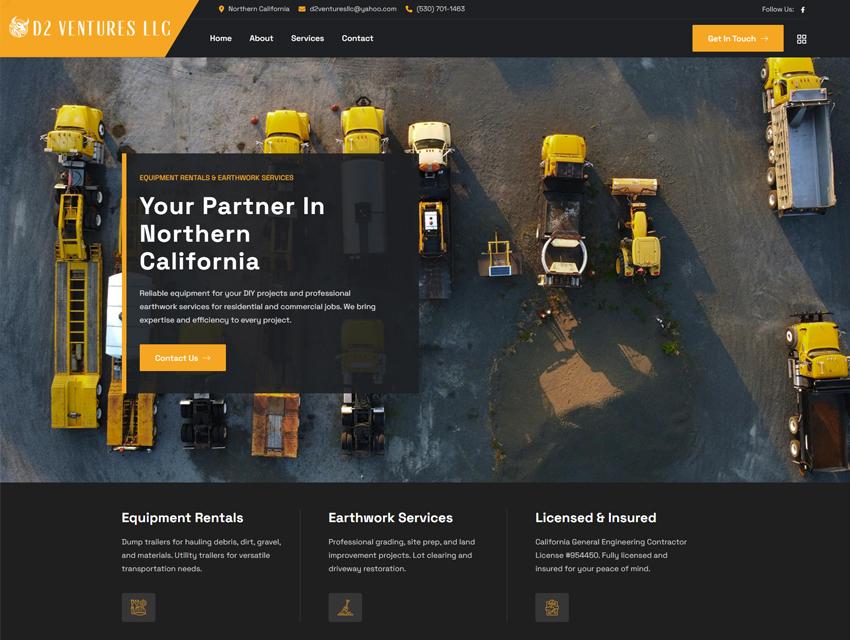

The Problem Isn’t Your Business — It’s Your Website

Most small business owners don’t struggle because they lack skill, experience, or quality service. In fact, many of the best businesses across industries—whether it’s landscaping, real estate, healthcare training, dog boarding, or signage—deliver incredible value to their customers every single day.
Yet despite that, their websites fail to generate consistent leads. Not because people aren’t searching. Not because there isn’t demand. But because the website itself isn’t built to convert attention into action.
According to data from Convergine, the average website conversion rate sits around just 2–3%. That means out of 100 visitors, only a small fraction actually take the next step. The real question isn’t why your website isn’t working.
It’s why so many websites don’t.
Why Most Websites Fail Before They Even Have a Chance
When someone lands on your website, you have only a few seconds to capture their attention. Research shows that more than half of users will leave a website if it takes longer than three seconds to load, according to Forbes. And even when a site loads quickly, users are often met with unclear messaging, cluttered layouts, or too many choices. Instead of guiding the visitor, the website creates friction. From the outside, it looks like a traffic issue. In reality, it’s a conversion issue.
The Illusion of Traffic: Why More Visitors Doesn’t Mean More Customers
One of the most common misconceptions in digital marketing is that more traffic automatically leads to more leads. While traffic matters, it’s not the most important metric. According to HubSpot, many websites receive thousands of monthly visitors, yet performance varies drastically depending on how effectively those visitors are converted. Businesses often invest heavily in:
- SEO
- Paid ads
- Social media
But they overlook what happens after someone actually lands on the website.
If your website isn’t built to convert, more traffic simply means more missed opportunities.
What Users Actually Do When They Visit Your Website
There’s a major disconnect between how business owners think users behave and how users actually behave. Most people don’t read websites—they scan them.
Studies show that users typically only scroll through about half of a page before leaving. That means anything buried too far down—important information, calls to action, or contact forms—may never even be seen.
This creates a simple reality:
If your website doesn’t communicate value immediately, it won’t convert.
The Real Reasons Websites Don’t Generate Leads
While every business is different, most underperforming websites share the same core issues.
- Unclear messaging — visitors don’t understand what you do
- Weak first impression — outdated or unprofessional design
- No clear call to action — users don’t know what to do next
- Slow performance — users leave before engaging
- Lack of trust signals — no reviews, proof, or credibility
Each of these creates friction.
Together, they prevent conversions entirely.
Speed, Simplicity, and Trust: The Three Factors That Actually Matter
If you strip everything down, successful websites tend to get three things right.
Speed
Speed directly impacts results. Even a one-second delay in load time can reduce conversions by up to 7%, according to WebsiteSpeedy. Fast websites keep users engaged and reduce bounce rates.
Simplicity
Too many choices overwhelm users.
The best-performing websites are simple. They guide visitors toward one clear action instead of presenting multiple competing options.
Trust
Before someone becomes a customer, they need to feel confident.
Trust is built through:
- Reviews
- Real photos
- Credentials
- Professional design
Without these elements, even interested visitors hesitate.
Why Conversion Matters More Than Ever
As competition increases online, attention becomes more valuable—and more limited. You don’t just need visitors. You need action. The difference between a 2% conversion rate and a 6% conversion rate can triple your leads without increasing traffic at all.
Interestingly, landing pages—designed specifically for conversion—average around 6.6% conversion rates, according to SellersCommerce.
That gap highlights something important:
Most websites aren’t built with conversion as the priority.
The Shift Toward Better User Experience
User expectations have changed.
People expect:
- Fast load times
- Mobile-friendly design
- Clear navigation
- Immediate answers
According to industry data, 88% of users are less likely to return after a poor website experience. That means your website isn’t just competing with your competitors. It’s competing with every good experience your visitors have ever had online.
What Actually Works: Building a Website That Generates Leads
The businesses that consistently generate leads online focus on clarity and usability. They don’t overcomplicate things.
Instead, they:
- Clearly explain what they do immediately
- Use strong, clean design
- Keep navigation simple
- Load fast across all devices
- Guide users toward a clear next step
Most importantly, they understand one thing:
A website isn’t a digital brochure. It’s a business tool.
A Different Way to Think About Your Website
Instead of asking:
“How do I get more traffic?”
Ask:
“What happens when someone lands on my site?”
Because that moment determines everything.
Not your rankings.
Not your ads.
Not your social media.
Just that interaction.
Most small business websites don’t fail because of a lack of effort. They fail because they’re built using outdated assumptions about how people behave online.But once you understand what actually drives results—speed, clarity, and trust—you can build something far more effective.
And the best part?
You don’t need more traffic to grow your business. You just need a website that works.